
Types of Remote Patient Monitoring Devices
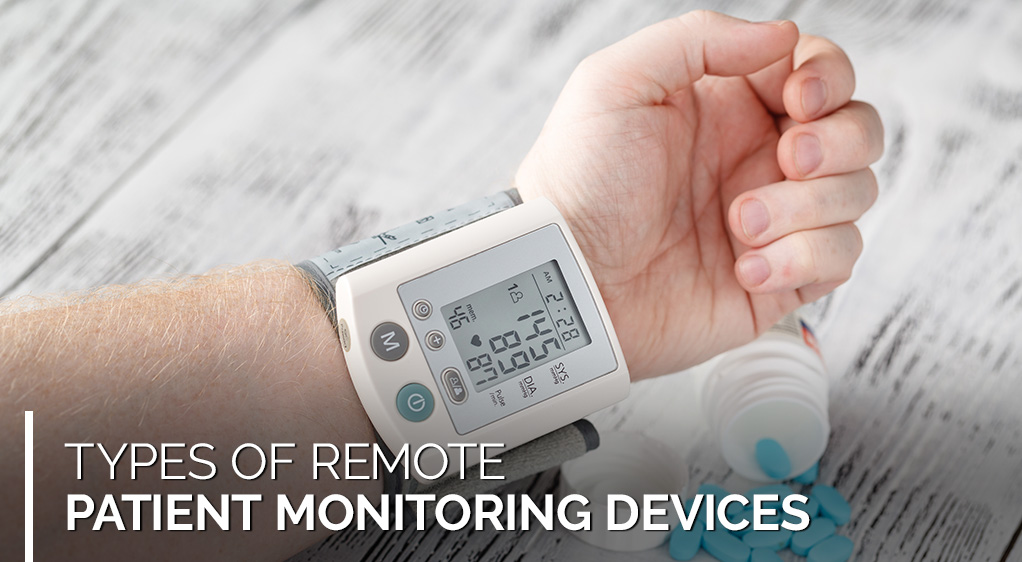
As we just learned in our last blog post, remote patient monitoring (RPM) is a system where patients can monitor their vitals using various devices from the comfort of their home or another location and then send this information to their healthcare provider who then can make recommendations to their care without the patient having to travel to the office. RPM is great for those patients who are prescribed rest or who physically can’t travel very easily. Did you know that there are many machines and devices available to assist in remote patient monitoring?
Symtech Solutions offers many different types of life safety communication systems, including nurse call, telehealth, healthcare whiteboards, contact tracing, and many more. Our mission is to partner with healthcare facilities so that they can do their job better and improve patient care. Below, we’ll take a look at the different types of remote patient monitoring devices available for use. Contact us to get started today!
TYPES OF REMOTE PATIENT MONITORING DEVICES

Blood Pressure Monitor
There are many great automatic blood pressure monitors that will read people’s blood pressure without having to manually do so. These work by wrapping a cuff around your arm that then squeezes it, recording the person’s heart rate, blood flow, and, of course, blood pressure. Multiple readings can be taken easily and more than once a day for more accurate readings. Having high blood pressure is often a sign of other, more serious conditions that could help patients be diagnosed sooner.

Glucose Monitors
In order to be in the best of health, those who are diabetic need to closely monitor their blood sugar levels and keep them as even as possible. By engaging in home glucose monitoring, patients can track their blood sugar levels at various times of the day and after various activities. This can help healthcare providers get a good sense of a patient’s blood sugar levels after meals, after exercise, and during stressful events or times. This helps healthcare providers understand the patient’s diabetic and insulin needs and help them to maintain homeostasis, which is critical for health.

Electrocardiography (ECG) Devices
These amazing remote patient monitoring devices can help track patient’s heart rates in real time, including during sporting events, which can help patients to know if they are pushing themselves too hard. These come in different forms, including wearable, patch, or handheld and can be indispensable for those with known heart irregularities, such as arrhythmia or myocardial ischemia. These devices record the electric impulses they read from the heart and then send them to the healthcare physician for analysis.

Heart Rate Monitors
Many people have jumped on the heart rate monitor band wagon with the advent of wearable watches that can track heart rate and exercise. These heart rate monitors can measure a patient’s heart rate per minute and record it. This allows physicians to monitor activity levels of patients to know if they are getting adequate amounts of exercise. These devices can be used to track and transmit heart rates in real time so healthcare providers can note a patient’s heart rate during everyday activities and sleep as well. This is of great help in treating and monitoring many conditions, including symptomatic and asymptomatic arrhythmias, atrial fibrillation, syncope, and presyncope.

Maternity Care Monitoring
Many women who have low-risk pregnancies prefer not to have to go to the doctor’s office on a regular basis for a simple check up. In these cases, pregnant women are able to take their own blood pressure, weigh themselves, take their temperature, and the like and then send that information to their doctor. This saves everyone time and money as a doctor can just read the vitals and determine if a follow-up visit is warranted or not.

Pediatric Monitoring
There are many children who are born with health conditions that require regular monitoring. However, once a child reaches school age, these regular doctor’s office visits interrupt their school life and routine, sometimes substantially. Instead, parents can choose to invest in remote patient monitoring and track and/or record the information that physicians need, minimizing disruptions to a child’s life. Parents can record sleep patterns, daily exercise, mood, symptoms, pain, and the like and then transmit that to their doctor for assessment.

CHOOSE SYMTECH SOLUTIONS FOR ALL YOUR LIFE SAFETY COMMUNICATION TOOLS TODAY
Symtech Solutions has dedicated almost 40 years to helping healthcare facilities, including nursing homes, senior living, hospitals, and emergency rooms with the latest technology that can help improve the lives of staff and patients. Some of these systems include panic buttons, infant security, public address systems, real time location systems (RTLS), and more. In addition, we offer digital whiteboards and telehealth services. We customize all of our rapid response monitoring systems to each healthcare facility in order to fit your needs. From system upgrades of old technology to the best customer service support available around the clock, we can help.
If you are interested in our life safety communication systems and solutions, give us a call today!