
How to Reduce the Risk of Wandering in Healthcare Settings
Wandering is a common problem in healthcare settings, particularly for those with dementia, autism, or other cognitive impairments. It can lead to serious injury or death, as well as increased costs for healthcare facilities. As such, it is crucial for healthcare workers to be aware of the risks of wandering and develop strategies to reduce these risks in order to keep residents safe
Symtech Solutions offers wander management systems that will allow you to enhance the independence of your residents while keeping them safe. Learn some tips on how to reduce the risk of wandering in healthcare settings, and contact us today!
Make Sure Your Facility is Secure
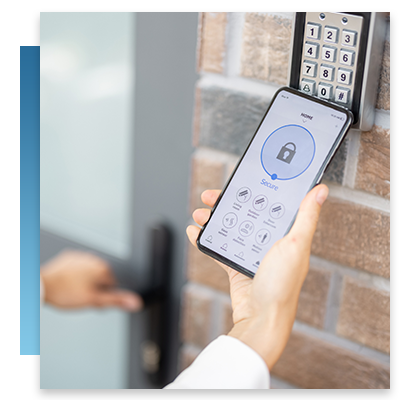
The first strategy for reducing the risk of wandering in healthcare settings is to establish a secure environment. This means limiting access to exits and other areas of the facility, such as stairwells and elevators, that may be used for wandering. It is also important to secure patient rooms and other areas where wandering may occur. This can be done by using locks, alarms, or other security measures. Additionally, it is important to keep the hallways, entrance ways, and other common areas free of obstacles, as these can serve as distractions or fall hazards.

Invest in Staff Training & Planning
Another strategy for reducing the risk of wandering is to establish a plan for managing any episodes of wandering. This plan should include clear protocols for responding to wandering incidents, as well as providing assistance to the patient in returning to their designated area. This plan should be communicated to all staff members and reviewed regularly. Additionally, it is important to provide staff with the necessary training to respond to wandering incidents appropriately. This is imperative to resident safety and the safety of your staff when intervening in wandering incidents.
Help Keep Patients Cognitively Active
In addition to establishing a secure environment and a plan for responding to wandering incidents, it is also important for healthcare facilities to keep patients as active and engaged as possible. This can be done by providing activities, such as art classes, music therapy, pet therapy, and other leisure activities. This will help to keep patients engaged and may reduce their desire to wander. Additionally, it is important for healthcare facilities to provide patients with a safe and secure area to enjoy nature, such as a courtyard or garden.


Communicate With Family Members
Finally, it is important for healthcare facilities to communicate with family members and caregivers about any wandering incidents or risks. This communication should include information about the facility’s policies on wandering, as well as any strategies that have been implemented in the past that have helped to reduce the risk of wandering.
PARTNER WITH US TODAY
By implementing these strategies to reduce the risk of wandering in healthcare settings, healthcare workers can help to keep patients safe and reduce costs associated with wandering incidents. Additionally, these strategies can help to provide a safe and secure environment for patients and reduce their risk of injury or death.
Symtech Solutions has partnered with Accutech to offer their Resident Guard system that uses RFID technology and comfortable wrist bands to establish a perimeter for your healthcare facility. This allows residents to move around freely and gives staff peace of mind. In addition, Resident Guard can be integrated easily into your existing systems, such as nurse call, pagers, and other devices. To get started with our wander management solutions for your hospital, nursing home, or assisted care facility, call us today!